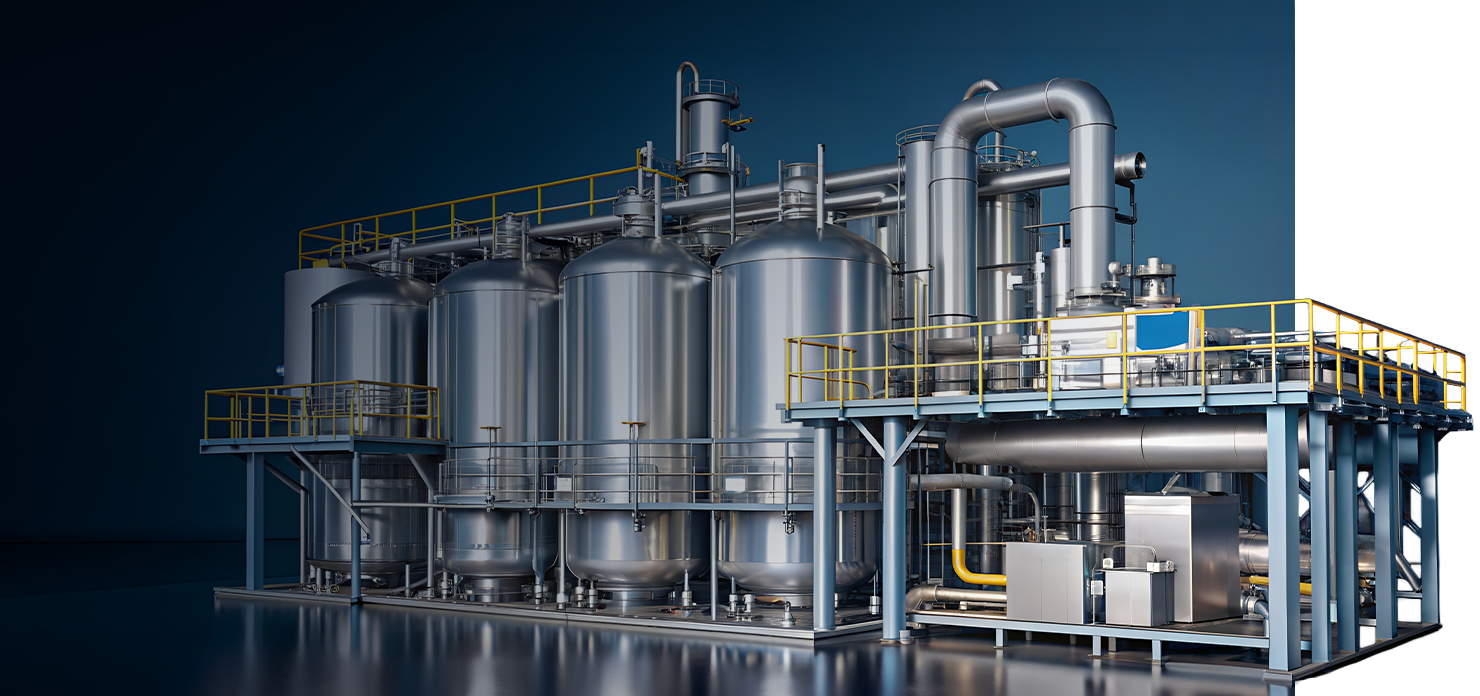
Product- and media-contact systems
- Process vessels
- Preparation and storage tanks
- Reactors
- Pipelines
- Fittings and manifolds
CitriSurf®
CitriSurf® is a citric-acid-based process for cleaning and passivating stainless steel. In pharmaceutical plant engineering, it can be used to remove free iron from surfaces and support documentable passivation processes for tanks, pipelines and process-technology systems.
Pharmaceutical plant engineering
Citric-acid-based passivation for pharmaceutical process systems.
CitriSurf® is used to remove free iron from stainless-steel surfaces and support a corrosion-resistant, easy-to-clean surface condition, for example in new construction, after welding work, in retrofit projects or in cases of rouge.
Typically relevant for:
· tanks and vessels
· pipelines and manifolds
· CIP/SIP systems
· PW/WFI-related systems
· skids and prefabricated units
Pharmaceutical plant engineering
ASTM A967/A967M-25 is a central technical standard for the chemical passivation of stainless-steel components. It describes various procedures, including nitric-acid, citric-acid and electrochemical treatments, and also includes information on cleaning, descaling and passivation as well as test methods with acceptance criteria for confirming effectiveness.
For pharmaceutical plants, the standard is especially relevant because passivation must not only be carried out, but also clearly specified, tested and documented. ASTM A967/A967M-25 is not a GMP standard in the strict sense, but it is a recognized technical framework for performing passivation processes on a sound technical basis and aligning them with existing quality requirements. Correct classification is important: the standard itself does not define a GMP process, but provides technical reference points for treatment and verification.
Pharmaceutical plant engineering
CitriSurf® is particularly relevant when stainless-steel surfaces need to be returned to a defined condition after fabrication, welding work or modifications.
Typical reasons:
· before commissioning new systems
· after welding work or mechanical rework
· during modifications, retrofit or requalification
· in cases of rouge, flash rust or iron-containing residues
· when a defined passivation process is required
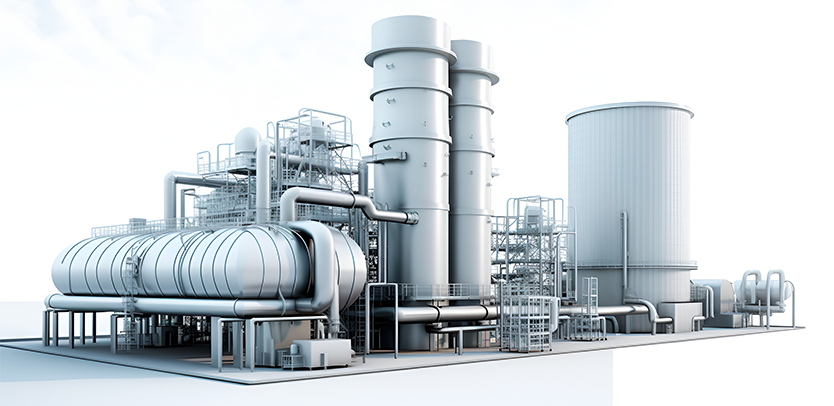
Pharmaceutical plant engineering
CitriSurf® is a citric-acid-based process for cleaning and passivating stainless steel. It is used to remove free iron and iron-containing contamination from the surface and thereby create the basis for a stable, corrosion-resistant surface condition.
For pharmaceutical projects, it is not only the chemistry that matters, but the clearly defined sequence: pre-cleaning, treatment, rinsing, testing and documentation must match the component, material and system.
Pharmaceutical plant engineering
Pharmaceutical plant engineering
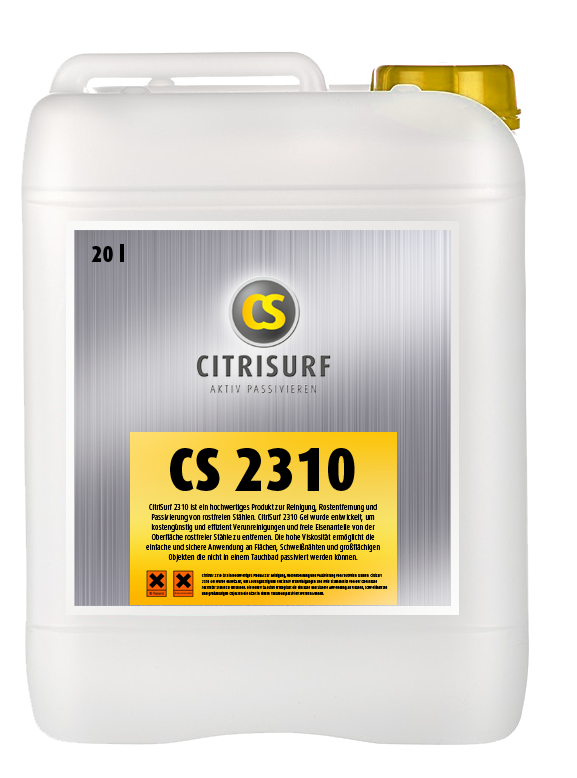
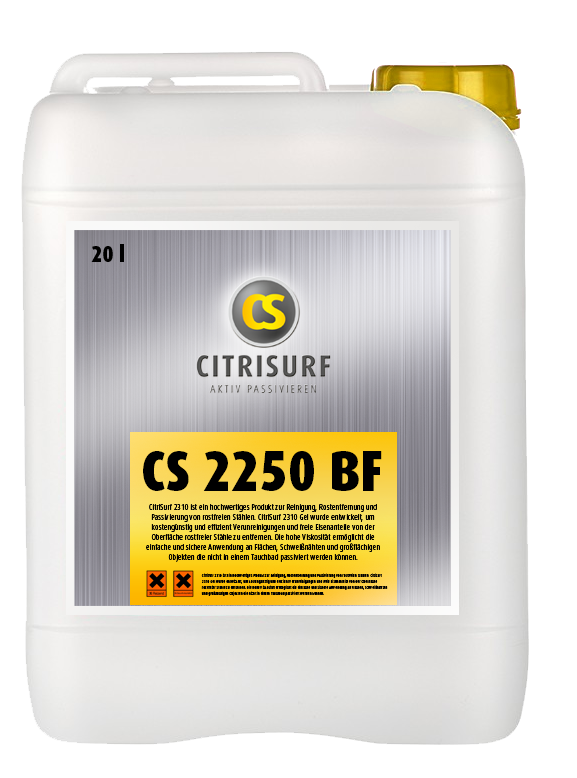
Depending on the application, different solutions within the CitriSurf® product line may be considered. CitriSurf® 3250 is described as a foam-reduced passivation solution especially for tanks and pipelines and is suitable wherever liquid treatment in a system or vessel is the focus. CitriSurf® 2210 is designed as a gel for surfaces, weld seams and larger components that cannot be treated in an immersion bath.
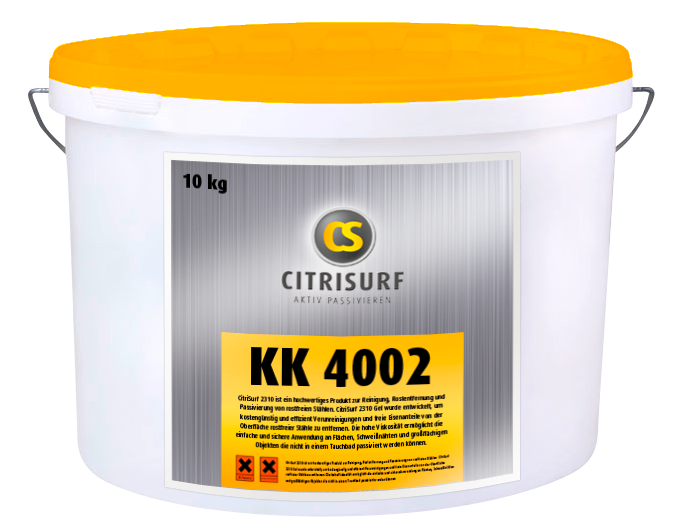
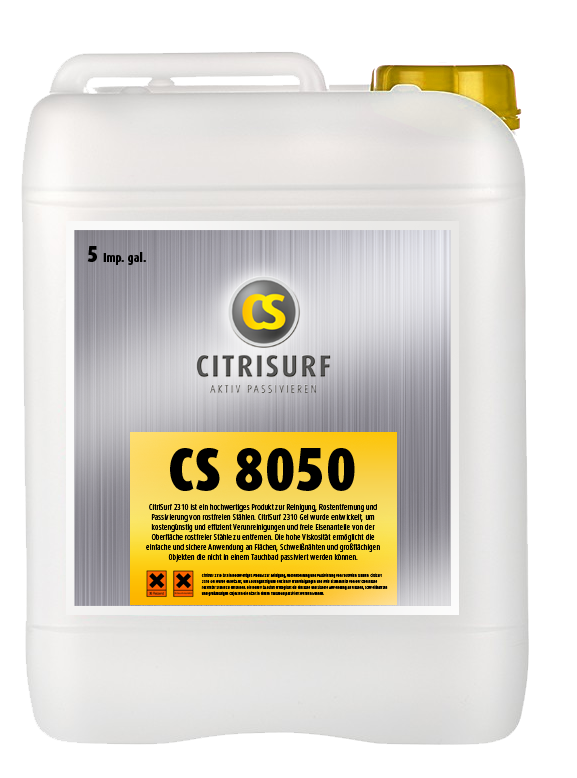
If derouging or descaling is relevant in addition to passivation, CitriSurf® 8050 may be considered. KleerKleen™ 4002 is also available as an alkaline cleaner for the required pre-cleaning. CitriSurf® 2250 can additionally be used for classic bath passivation.
Pharmaceutical plant engineering
In many projects, a citric-acid-based process is preferred where technical suitability, good handling and clean integration into existing workflows are important.
Advantages in project practice:
· suitable for defined, project-specific workflows
· alternative to conventional nitric-acid-based processes
· easy to integrate into maintenance, surface restoration and requalification
· especially relevant for sensitive applications in pharmaceutical and bioprocess environments
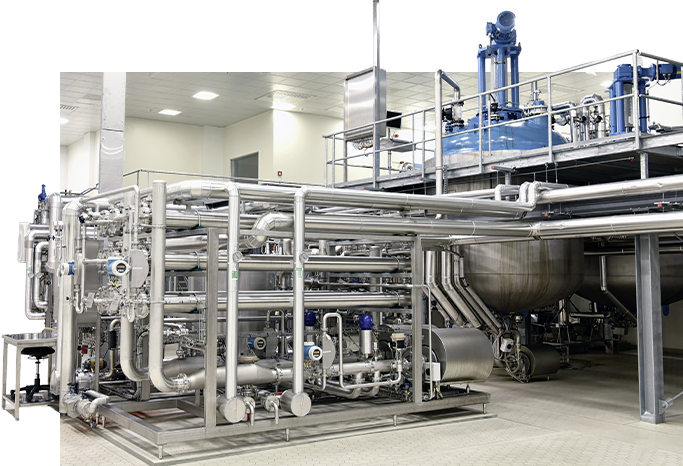
Pharmaceutical plant engineering
First, grease, particles, residues and other contamination are removed with a highly alkaline agent. Effective passivation requires a sufficiently clean surface.
Depending on the application, passivation is carried out for example by circulation, flooding, spraying, local application or bath process.
This is followed by rinsing, if necessary drying, and the agreed testing and documentation.
Important:
Concentration, temperature, exposure time and test concept are not defined generically, but matched to the application, material and system condition.
Pharmaceutical plant engineering
For pharmaceutical projects, simply referring to a passivation standard is usually not enough. What matters is how the process is integrated into cleaning, documentation and existing quality requirements.
In practice, the key points are:
· defined sequence
· coordinated process parameters
· suitable test and acceptance criteria
· clean documentation
Pharmaceutical plant engineering
Passivation can be integrated as a clearly defined project step in production, surface restoration and commissioning.
A controlled surface condition supports cleanability, corrosion resistance and technical assessment of existing plants.
A defined, documented process facilitates classification within qualification, revision planning and technical releases.
FAQ
Yes, typically for stainless-steel components in tanks, pipelines and process-technology systems. Specific suitability should always be assessed based on material, surface condition and application.
No. The process can be useful both for new construction and existing plants, for example after modifications, welding work or as part of requalification measures.
No. Passivation is a technical measure. For pharmaceutical projects, what matters is how it is integrated into documentation, test concept and qualification strategy.
This depends on application, surface and specification. The decisive point is that test methods and acceptance criteria are defined appropriately in advance.
Helpful information includes plant type, material, surface condition, project phase, medium, existing problem and desired scope of documentation.
Sie planen eine neue Pharma-Anlage, ein Retrofit oder die Aufarbeitung bestehender Edelstahloberflächen? Dann lohnt sich eine frühe technische Bewertung.
In einem ersten Gespräch klären wir typischerweise:
Exclusively from MKK GmbH, Oldenburg
Order by email: order@citrisurf.de
Please note:
- Provide your VAT ID
- Billing address and delivery address required
- Orders before 12:00 noon: usually shipped on the next working day
- Delivery date = shipping date (transit times depend on the logistics provider)